Home / Conditions / Frozen Shoulder Treatment in Gurgaon: Causes, Symptoms & Expert Care

Frozen Shoulder Treatment in Gurgaon: Causes, Symptoms & Expert Care

Frozen Shoulder (also called Adhesive Capsulitis) is a painful condition where the shoulder joint becomes stiff and loses its normal range of motion. It develops gradually, worsens over time, and then often improves slowly.
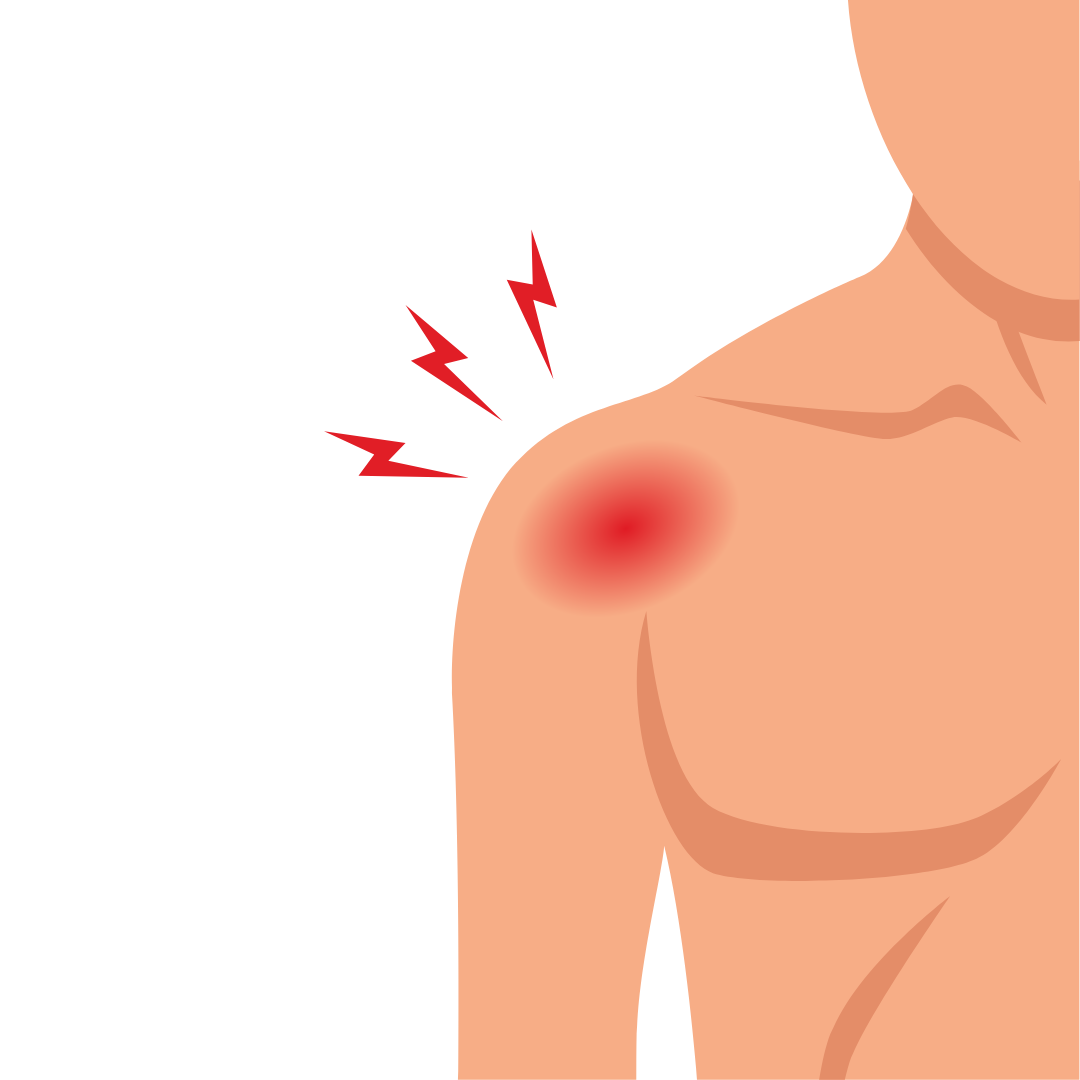
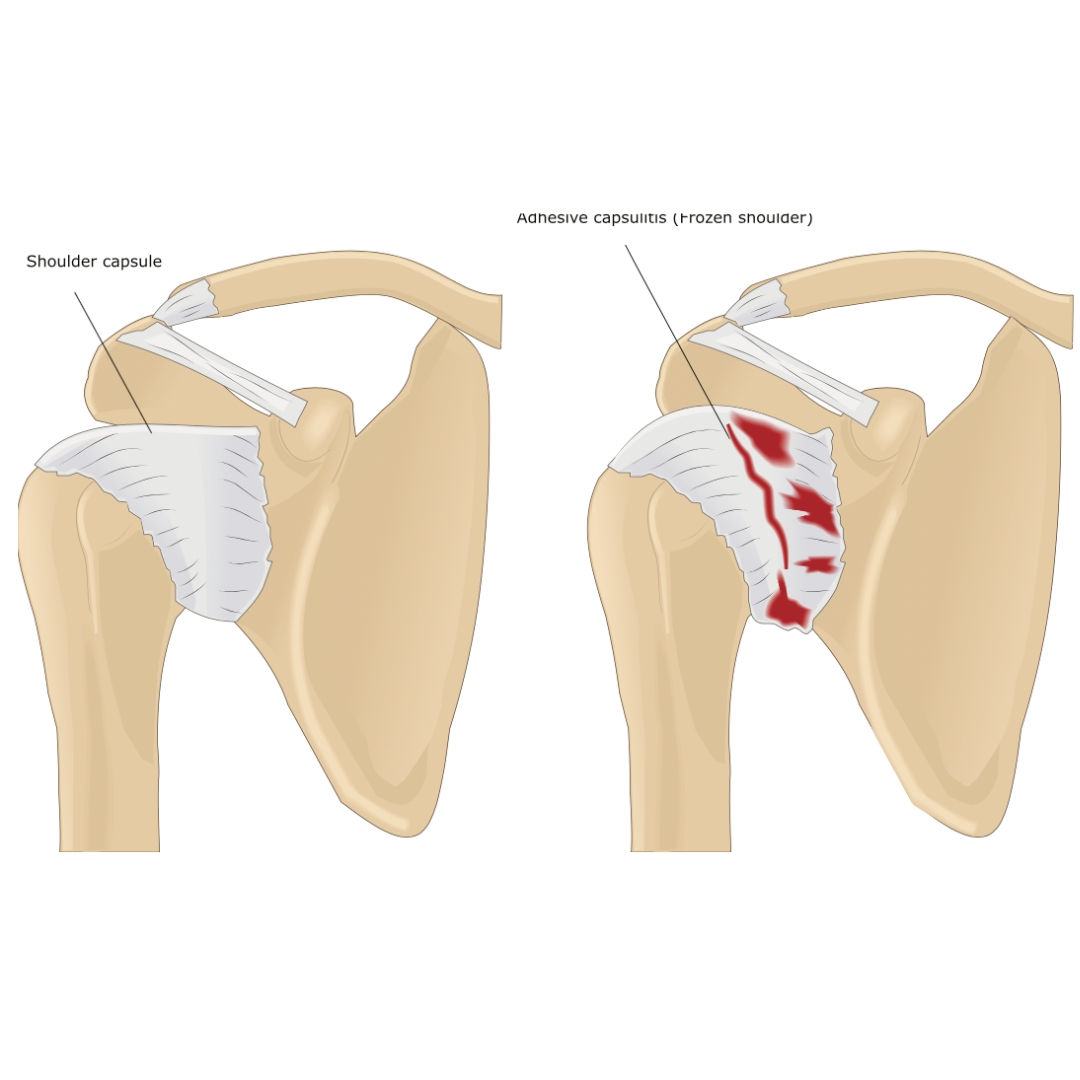
Without timely treatment from a Frozen Shoulder Specialist in Gurgaon, it can take months to years to recover completely.

Causes & Risk Factors of Frozen Shoulder

  • Prolonged Immobilization: After surgery, fracture, or injury when the arm is not moved for weeks

  • Diabetes: Increases risk and severity of frozen shoulder

  • Thyroid Disorders: Both hypo- and hyperthyroidism

  • Age & Gender: Commonly between ages 40–60, more in women

  • Other Conditions: Parkinson’s disease, cardiac conditions, and post-stroke patients

  • Unknown Cause: Sometimes develops without any clear reason

Symptoms of Frozen Shoulder

Frozen shoulder usually progresses in 3 stages:

  1. Freezing Stage (Painful Stage):

    • Gradual onset of shoulder pain

    • Stiffness increases with time

    • Pain worsens at night

  2. Frozen Stage (Stiff Stage):

    • Pain may reduce slightly

    • Severe stiffness and limited motion

    • Difficulty with daily tasks (combing hair, reaching behind back)

  3. Thawing Stage (Recovery Stage):

    • Gradual improvement in range of motion

    • Pain decreases slowly

    • Full recovery may take 12–24 months

Diagnosis of Frozen Shoulder

  • Clinical Examination: Doctor checks range of motion and stiffness

  • X-ray: To rule out arthritis or fractures

  • MRI / Ultrasound: Sometimes used to confirm diagnosis or exclude rotator cuff tear

Treatment of Frozen Shoulder

Non-Surgical Treatment:

  • Medications: Pain relievers and anti-inflammatory drugs

  • Physiotherapy: Stretching and strengthening exercises are key

  • Heat Therapy: To reduce stiffness before physiotherapy

  • Steroid Injections: Reduce pain and inflammation in the shoulder

  • Hydrodilatation: Injection of fluid to stretch the joint capsule

Surgical Treatment (for severe cases):

  • Arthroscopic Capsular Release: Keyhole surgery to cut tight tissues and restore movement

  • Manipulation Under Anesthesia (MUA): Shoulder gently moved while patient is under anesthesia to break stiffness

Recovery & Rehabilitation from Frozen Shoulder

  • Mild cases: Improve in 3–6 months with physiotherapy

  • Severe cases: May take 12–24 months for full recovery

  • Post-surgery rehab includes regular physiotherapy for flexibility

  • Most patients regain near-normal function if exercises are followed consistently

Results of Frozen Shoulder Treatment

  • Over 90% of patients recover with non-surgical management

  • Arthroscopic release shows excellent success rates with faster recovery

  • Early diagnosis and physiotherapy ensure the best outcomes

  • Risk of recurrence is low but can occur in the opposite shoulder

Related Blogs

Frozen Shoulder – Causes, Symptoms & Modern Treatments – Dr Ramkinkar Jha

Frozen Shoulder – Causes, Symptoms & Modern Treatments – Dr Ramkinkar Jha

Frozen shoulder, also known as adhesive capsulitis, is a condition where the shoulder joint becomes stiff…

Read Article →
WhatsApp logo WhatsApp