
Robotic Joint Replacement Surgery Cost in Gurgaon, under Dr Ramkinkar Jha, ranges from ₹2,50,000 to ₹6,50,000 per joint. Robotic procedures cost approximately 30–50% more than conventional surgery, reflecting the use of the MAKO system and CT-based 3D pre-operative planning.
Dr Ramkinkar Jha is Director of the Department of Orthopaedics at CK Birla Hospital, Gurugram, a NABH-accredited multi-speciality hospital. He is trained in MAKO robotic joint replacement and has completed over 5,000 joint replacements across more than 20 years of practice, including training at AIIMS New Delhi and a fellowship at the University of Edinburgh, UK.
Book a Consultation with Dr. Ramkinkar Jha, Leading Orthopaedic Surgeon in Gurgaon
What Is Robotic Joint Replacement Surgery and Who Needs It?
How Robotic Joint Replacement Differs From Conventional Surgery
In conventional joint replacement, the surgeon uses standard mechanical jigs and cutting guides to remove damaged bone and position the implant. These guides are manufactured to general specifications and aligned manually during the procedure. With an experienced surgeon, conventional surgery produces excellent results. The limitation is that it cannot account for the unique geometry of each patient’s joint in real time.
Robotic joint replacement changes this fundamentally. Before surgery, a CT scan of your joint is taken and used to build a patient-specific three-dimensional model. Dr Ramkinkar Jha uses this model to plan the exact position, size, and angle of each implant component before entering the theatre.
The MAKO System: What It Is and Why It Matters
The MAKO system is a robotic-assisted surgical platform developed by Stryker, one of the world’s largest orthopaedic device manufacturers. It is used in NHS hospitals across the UK, at leading orthopaedic centres in the United States and Australia, and at a growing number of specialist centres in India. Dr. Jha is formally fellowship-trained in the MAKO platform, which distinguishes his practice from surgeons who simply have access to a robotic system but have not undergone structured robotic training.
How Much Does Robotic Joint Replacement Surgery Cost in Gurgaon?
Robotic Joint Replacement Surgery Cost in Gurgaon, under Dr Ramkinkar Jha, ranges from ₹2,50,000 to ₹6,50,000 per joint. to understand where your cost sits within that range, three decisions matter most –
- Knee vs. hip: Hip replacement carries a higher base cost than knee replacement because the anatomy is more complex and the implant components are larger and more technically demanding to position. Robotic assistance is used for both joints, but the cost profiles differ.
- Single joint vs bilateral: Bilateral robotic knee replacement (both knees in one surgical session) costs more overall than a single-knee procedure but saves on anaesthesia, theatre, and hospitalisation compared to two separate admissions. Dr Jha assesses bilateral suitability on clinical grounds, not financial preference.
- Standard vs premium implants: Implants from leading international manufacturers vary significantly in design, materials, and longevity data. Standard domestic implants meet all clinical requirements. Premium imported implants may offer additional features such as high-flexion design, gender-specific sizing, or extended wear-resistance coatings. Your surgeon recommends the right implant for your anatomy and activity level. That recommendation, not the budget, drives this decision.
Your written, personalised cost estimate is provided at your first consultation with Dr Jha and covers every component of your specific case.
What Does a Robotic Joint Replacement Surgery Cycle Include?
Your standard robotic joint replacement surgery fee under Dr Ramkinkar Jha in Gurugram covers the following components from pre-operative planning through to your first post-discharge review. Robotic Joint Replacement Surgery Cost in Gurgaon, under Dr Ramkinkar Jha, ranges from ₹2,50,000 to ₹6,50,000 per joint.
- Initial consultation with Dr Ramkinkar Jha, including clinical examination and review of existing imaging
- CT scan of the affected joint for MAKO 3D pre-operative planning (this is the step that distinguishes robotic from conventional surgery at the outset)
- Pre-operative investigations: blood tests, ECG, chest X-ray, and specialist medical clearance where your health profile requires it
- Anaesthesia: spinal or general anaesthesia as clinically determined, administered by a senior anaesthetist
- Surgeon’s fee: Dr Jha’s operative and perioperative clinical fee
- MAKO robotic system uses: theatre time with the robotic arm, navigation software, and intra-operative tracking technology
- Operation theatre charges: modular theatre, sterile disposables, and surgical equipment
- Implant (standard domestic tier): the prosthetic joint components used to resurface or replace the damaged joint
- Hospital stay: 5 to 7 nights in a semi-private ward, including nursing care, meals, and clinical monitoring
- In-hospital physiotherapy: supervised mobilisation sessions beginning within 24 to 48 hours of surgery
- Discharge kit: medications, wound care supplies, and a structured home exercise programme
- First post-discharge follow-up consultation
If your clinical assessment indicates any additional procedures or an upgraded implant, your specialist will discuss these with you and provide a written cost breakdown before anything is added to your plan.
What Factors Affect the Cost of Robotic Joint Replacement Surgery?
Eight variables determine where your final cost sits within the overall range. Knowing each one helps you read quotes accurately and ask informed questions at consultation.
1. Joint Type: Knee vs. Hip
Robotic hip replacement consistently costs more than robotic knee replacement in the Gurgaon market. The hip joint’s anatomy requires larger implant components, a different surgical approach, and more complex pre-operative 3D planning. This is reflected in both the base procedure fee and the implant cost.
2. Procedure Scope: Partial, Total, or Bilateral
Partial (unicompartmental) robotic knee replacement is only appropriate when arthritis is confined to one compartment of the knee with intact ligaments. It uses a smaller implant and typically involves a shorter hospital stay. Total replacement addresses the full joint surface. Bilateral (both knees) replacement carries a higher absolute cost but avoids the cost of a second full hospital admission. Your surgeon determines suitability through imaging and clinical assessment.
3. Implant Brand and Material Tier
The implant is the single largest cost line within the procedure fee. Standard domestic implants are clinically validated and widely used. Premium imported implants from manufacturers such as Stryker, Zimmer Biomet, DePuy, or Smith & Nephew may offer additional design features and extended longevity data. The right choice depends on your anatomy, age, activity level, and your surgeon’s clinical recommendation.
4. CT Scan and 3D Planning Complexity
Every robotic joint replacement begins with a CT scan that is used to build a patient-specific 3D virtual model of the joint. The scan itself is an additional pre-operative cost compared to conventional surgery. In cases involving significant deformity, prior fracture, or unusual anatomy, the planning process is more complex and may require additional imaging.
5. Patient Anatomy and Deformity Severity
Patients with significant varus or valgus deformity (bowing of the leg), prior fracture, or previous implants in the same joint present greater surgical complexity. More complex anatomy may increase theatre time, require specialised implant components, and increase overall cost.
6. Room Category
The standard procedure fee covers a semi-private room. Upgrading to a private room or suite adds daily room charges to the total hospital bill. This choice does not affect the surgical team, theatre, or implant.
7. Hospital Stay Duration
Most patients are discharged within 5 to 7 days. Patients with diabetes, cardiovascular conditions, or post-operative complications may stay longer. Each additional night adds to the total ward cost.
8. Surgeon Experience and MAKO Certification
Robotic surgery outcomes are significantly influenced by the surgeon’s familiarity with the robotic system. Not every orthopaedic surgeon who offers robotic surgery is formally fellowship-trained in the MAKO platform. Dr. Jha is trained in MAKO robotic joint replacement and has completed over 5,000 joint replacements. This level of experience is reflected in the surgical fee and directly affects your outcome.
Robotic Joint Replacement Surgery Cost Breakdown by Type
The table below reflects current market ranges in Gurgaon for robotic joint replacement procedures by type. These are indicative figures drawn from published treatment cost data for Delhi NCR and current Gurgaon and India-wide robotic surgery pricing surveys. Your written personalised estimate from Dr Jha’s team reflects your specific joint, implant choice, and clinical requirements.
| Procedure Type | Indicative Cost Range (Gurgaon) | What Drives the Cost |
|---|---|---|
| Robotic Total Knee Replacement (Single) | ₹2,50,000 – ₹5,00,000 | MAKO system, implant tier, CT planning, room category |
| Robotic Partial Knee Replacement | ₹2,20,000 – ₹3,80,000 | Smaller implant; shorter stay; restricted candidacy |
| Robotic Total Hip Replacement (Single) | ₹3,50,000 – ₹6,50,000 | Larger implant, complex anatomy, and acetabular positioning |
| Robotic Bilateral Knee Replacement | ₹4,50,000 – ₹8,50,000 | Two implants; saving vs. two separate admissions |
| Conventional Total Knee Replacement (Single) | ₹1,60,000 – ₹2,80,000 | No MAKO system; standard instruments; no CT scan |
| Robotic-Assisted Revision Joint Replacement | ₹4,00,000 – ₹8,00,000+ | Complex bone reconstruction, specialised implants, longer theatre time |
These are indicative Gurgaon market ranges for reference and comparison. They are not fixed prices. Your personalised written cost estimate is confirmed at consultation with Dr. Jha and reflects your specific procedure, implant, and room category.
Robotic Joint Replacement Success Rate by Age
Robotic joint replacement produces strong outcomes across all eligible adult age groups, but the clinical picture varies meaningfully by patient age. Age affects implant selection, activity expectations, and the long-term calculus of choosing a robotic over a
| Age Group | Robotic Surgery Suitability | Key Clinical Considerations |
|---|---|---|
| Under 60 | High robotic precision is especially valuable for active patients | Implant longevity and revision risk are critical topics for discussion. Precise alignment reduces early wear |
| 60–70 | Excellent core benefit group for robotic total joint replacement | Most patients achieve full return to daily activities within 3–4 months |
| 70–80 | Very good in well-selected patients; thorough pre-op clearance required | Robotic precision reduces theatre time variability and blood loss in older patients |
| Over 80 | Appropriate for fit patients with stable comorbidities; case-by-case assessment | Clinical benefit of robotic accuracy remains, though the recovery timeline extends |
Why Robotic Precision Matters More in Younger Patients
Younger patients (under 60) who undergo joint replacement face a higher lifetime risk of revision surgery simply because they are more physically active and live longer with the implant. Precise implant alignment, which robotic surgery consistently improves, reduces wear rate and extends the functional life of the joint. For a 55-year-old patient, the additional upfront cost of robotic surgery may be offset by a lower probability of a revision procedure costing ₹4,00,000 or more in later years.
Struggling with Joint Pain, Sports Injury, or Arthritis?
Robotic Joint Replacement Surgery Process at Dr Ramkinkar Jha, Gurgaon
Understanding each stage of the robotic surgery process helps you see clearly what you are paying for at every step and what to expect from pre-operative planning through to your return home.
-
Step 1: Initial Consultation and Clinical Assessment
Your first appointment with Dr Jha covers a full examination of the affected joint, a review of your existing X-rays and MRI, and a detailed discussion of your symptoms, activity history, and treatment goals. Dr Jha explains whether robotic or conventional surgery is the right fit for your anatomy and clinical picture, and provides a written cost estimate covering your specific procedure and implant recommendation.
-
Step 2: CT Scan and 3D Virtual Planning
This is the step that defines robotic surgery. A CT scan of your knee or hip is taken and fed into the MAKO software, which constructs a patient-specific three-dimensional model of your joint. Dr. Jha uses this model to plan the exact position, angle, and size of your implant before entering the operating theatre. This pre-operative planning enables intra-operative precision that conventional instruments cannot replicate.
-
Step 3: Pre-Operative Medical Clearance
Blood tests, ECG, chest X-ray, and specialist clearance (cardiac, diabetic, or respiratory) are completed to ensure you are in the best possible condition for surgery and anaesthesia. The pre-operative workup is more structured for robotic procedures because the surgical plan is finalised at this stage. Any changes to your medication or health status are addressed here.
-
Step 4: MAKO-Assisted Surgery
You are admitted to the hospital on the morning of surgery. The operative team registers your anatomy to the MAKO system in theatre, confirming that the 3D plan matches your actual bone structure. Dr. Jha then guides the robotic arm to prepare the joint surfaces and position the implant components according to the pre-operative plan. The MAKO system provides real-time haptic feedback and virtual boundaries that prevent the arm from deviating from the planned resection zone, protecting surrounding ligaments and soft tissue. Most robotic joint replacement procedures take 75 to 120 minutes.
-
Step 5: In-Hospital Recovery and Early Mobilisation
Physiotherapy begins within 24 to 48 hours of surgery. Most patients stand and take supported steps on the day after surgery. Pain is managed through a structured multimodal protocol. The nursing team monitors your wound, blood counts, and circulation throughout your 5-to-7-night stay. Because robotic surgery produces more consistent bone preparation and implant positioning, post-operative pain and swelling are often less variable than with conventional approaches.
-
Step 6: Discharge, Home Programme, and Telemedicine Follow-Up
Before discharge, you receive a written home exercise programme, wound care instructions, a medication schedule, and a confirmed follow-up date. Dr. Jha’s team schedules reviews at two weeks, six weeks, three months, and one year post-surgery. Telemedicine follow-up consultations are available for patients who are unable to travel or who have returned home after travelling to Gurgaon for surgery.
Meet the Specialist Behind Your Robotic Joint Replacement
Dr Ramkinkar Jha – Director, Department of Orthopaedics, CK Birla Hospital, Gurugram
Your long-term outcome from joint replacement surgery depends more on who performs it and where it is performed than on whether robotic technology is used. Here is what makes the difference when you choose Dr Jha.
-
MAKO Robotic Training Backed by 5,000+ Joint Replacements
Dr Jha is not simply a surgeon who has access to a robotic system. He is fellowship-trained in MAKO robotic joint replacement and has performed over 5,000 joint replacements across his career. That volume of conventional surgical experience, combined with formal robotic training, means his intra-operative decisions are grounded in both precision technology and deep clinical instinct.
-
AIIMS New Delhi and University of Edinburgh Training
Surgical training quality shapes outcomes for decades. Dr Jha trained at AIIMS New Delhi, India’s most competitive medical institution, and completed a fellowship at the University of Edinburgh, UK. He has supplemented this with international fellowships in robotic surgery, musculoskeletal oncology, and sports medicine at leading centres across Asia and Europe.
-
12,000+ Orthopaedic Surgeries at NABH-Accredited CK Birla Hospital
CK Birla Hospital, Gurugram, holds NABH accreditation. The hospital operates dedicated modular orthopaedic theatres, a MAKO robotic system, advanced intraoperative imaging, 24-hour ICU cover, and an integrated physiotherapy and rehabilitation unit. NABH accreditation means the hospital meets nationally benchmarked standards for clinical care, infection control, and patient safety.
-
AO Foundation and ATLS Faculty Role
Dr Jha serves as faculty and trainer for the AO Foundation and ATLS courses. This is a clinical leadership role, not an honorary title. It means his surgical technique and teaching are held to international peer review standards, and that the protocols he uses in theatre are the same ones he teaches to other orthopaedic surgeons.
-
Active Membership in International Orthopaedic Bodies
Dr. Jha is an active member of the Indian Orthopaedic Association, AO Trauma Foundation, Royal College of Surgeons (UK), Indian Arthroscopy Society, and multiple Asia-Pacific orthopaedic societies. These memberships keep his practice aligned with the most current evidence-based guidelines in joint replacement and robotic surgery.
-
Revision and Complex Case Expertise
Revision joint replacement, the repair or replacement of a failed earlier implant, is among the most technically demanding procedures in orthopaedic surgery. Dr. Jha’s caseload includes a significant number of revision and complex primary cases referred from other centres. If your case involves prior surgery, significant deformity, or unusual anatomy, this experience is directly relevant to your outcome.
-
International Patient Programme
Dr. Ramkinkar Jha operates a structured international patient programme with a dedicated coordinator, Medical Visa invitation letter support, documentation for home country insurance reimbursement, and telemedicine follow-up after return.
Why International Patients Choose India for Robotic Joint Replacement Surgery
India has become one of the world’s most sought-after destinations for robotic joint replacement surgery, and Gurgaon sits at the centre of that shift. The reasons go beyond cost alone.
-
Cost Differential Without Any Compromise on Technology
Robotic joint replacement surgery in the United States typically costs between $30,000 and $50,000 USD per joint. In the United Kingdom, the same procedure through private healthcare runs £15,000 to £25,000. In the UAE, patients routinely pay AED 80,000 to AED 130,000. With Dr. Ramkinkar Jha in Gurugram, the same MAKO robotic system and internationally sourced implants are available at a fraction of those figures. The robotic arm is identical. The implant manufacturers are the same. The cost difference reflects India’s healthcare infrastructure economics, not a difference in clinical standards.
-
The Same MAKO System, Globally Recognised Implants
The MAKO robotic system used by Dr. Jha is the Stryker MAKO platform, the same system deployed in NHS hospitals across the UK and at leading orthopaedic centres in the US and Australia. Implants are sourced from the same global manufacturers supplying Western hospitals. International patients choosing Gurgaon are not accessing a local substitute. They are accessing the same technology through a lower-cost healthcare economy.
-
English-Speaking Surgical and Clinical Teams
All consultations, pre-operative briefings, surgical consent discussions, and post-operative instructions with Dr Jha’s team are conducted in English. Hospital documentation, discharge summaries, operative notes, and imaging reports are provided in English as standard. International patients do not need an interpreter for any part of their clinical care.
-
Gurgaon’s Medical Travel Infrastructure
Gurugram sits within 30 minutes of Indira Gandhi International Airport, one of Asia’s busiest aviation hubs with direct connections to the Gulf, Southeast Asia, the UK, and East Africa. The Sector 51 location gives patients immediate access to serviced accommodation, international restaurants, and private transport. Gurgaon’s established medical travel infrastructure means international patients arrive into a city that is accustomed to supporting overseas visitors through treatment and recovery.
-
Structured Post-Operative Telemedicine Follow-Up
International patients do not need to stay in India for their full recovery. Most patients are discharged after 5 to 7 nights in hospital, fly home within 10 to 14 days of surgery, and complete their physiotherapy and recovery locally. Dr. Jha’s team conducts structured telemedicine follow-up consultations at two weeks, six weeks, and three months post-surgery, reviewing wound healing, mobility progress, and implant function remotely. Physical return visits are only required if a clinical concern arises.
-
A Track Record With Patients From Across the World
Dr Jha has treated patients from across South Asia, the Gulf, Africa, and the United Kingdom. CK Birla Hospital’s international patient programme exists specifically to manage the logistics, documentation, and communication needs of overseas patients from first enquiry through to long-term follow-up.
Robotic Joint Replacement Surgery for International Patients
Cost in Your Currency
The table below provides indicative costs for robotic joint replacement surgery in Gurugram in major currencies, based on current exchange rates.
| Procedure | INR Range | USD (Approx.) | GBP (Approx.) | AED (Approx.) |
|---|---|---|---|---|
| Robotic Total Knee Replacement (Single) | ₹2,50,000 – ₹5,00,000 | $2,980 – $5,950 | £2,350 – £4,700 | AED 10,900 – AED 21,800 |
| Robotic Total Hip Replacement (Single) | ₹3,50,000 – ₹6,50,000 | $4,170 – $7,740 | £3,290 – £6,100 | AED 15,300 – AED 28,400 |
| Robotic Bilateral Knee Replacement | ₹4,50,000 – ₹8,50,000 | $5,360 – $10,120 | £4,230 – £7,980 | AED 19,600 – AED 37,100 |
Currency conversions are indicative and based on current exchange rates. Your confirmed cost estimate is provided in INR at the consultation. Final converted amounts depend on your bank or payment provider’s rate at the time of the transaction.
-
Home Country Insurance Reimbursement
Many international health insurance policies, including those issued in the UAE, UK, Gulf Cooperation Council countries, and across Southeast Asia, reimburse medical treatment received abroad. Dr Ramkinkar Jha’s team provides the full documentation set required by most international insurers: itemised surgical invoices with procedure codes, implant certificates with batch numbers, operative notes, discharge summary, post-operative imaging reports, and a surgeon’s letter confirming medical necessity. Your international patient coordinator advises on any insurer-specific format requirements before your discharge.
-
Medical Visa (M Visa) Support
A formal Medical Invitation Letter to support your Indian Medical Visa (M Visa) application is prepared by Dr. Jha’s team in the format specified by the Bureau of Immigration, Government of India, confirming the planned procedure, treating specialist’s details, and estimated admission dates. Your international patient coordinator guides you through the supporting documents required alongside the visa application and the typical processing timeline.
-
Staggered Travel and Remote Pre-Operative Preparation
Most international patients complete their standard pre-operative investigations (blood tests, ECG, baseline imaging) in their home country and share reports with Dr. Jha’s team via a telemedicine consultation before travelling. This means you travel to Gurgaon ready for surgery, with your clinical team fully briefed and your implant pre-ordered. After 5 to 7 nights in hospital, most patients are medically fit to fly home. Post-operative physiotherapy is completed locally, with telemedicine follow-ups with Dr Jha’s team at two weeks, six weeks, and three months.
-
Your Dedicated International Patient Coordinator
Every international patient is assigned a single named coordinator who manages the full process from initial enquiry through to long-term follow-up. This covers appointment scheduling, pre-operative logistics, airport transfer recommendations, accommodation options near the hospital in Sector 51, Gurugram, insurance documentation preparation, and direct WhatsApp communication throughout your stay and recovery.
To start your enquiry, WhatsApp the team at +91-9599533443 or email orthopedicshub@gmail.com. Your coordinator will respond within one working day with a cost estimate and appointment options.
Three Reasons to Book Your Consultation This Week
First, robotic joint replacement surgery in Gurgaon under Dr Ramkinkar Jha costs between ₹2,50,000 and ₹6,50,000, depending on the joint, implant, and procedure type, with a written estimate confirmed at your first consultation. There are no hidden fees and no “call us for pricing” answers. Second, the clinical data support the investment. Peer-reviewed studies have associated MAKO robotic surgery with shorter hospital stays, improved implant positioning accuracy, and lower rates of intraoperative complications compared to conventional approaches. Third, financial support is real and accessible. Private insurance, CGHS, ESIC, Ayushman Bharat, and EMI plans all reduce or eliminate the out-of-pocket burden for eligible patients. International patients have a fully supported route to reimbursement and visa documentation.
The next step takes two minutes.
Frequently Asked Questions
1. What is the cost of Robotic Joint Replacement Surgery in Gurgaon?
Robotic joint replacement surgery in Gurgaon under Dr. Ramkinkar Jha costs between ₹2,50,000 and ₹5,00,000 for a robotic total knee replacement and ₹3,50,000 to ₹6,50,000 for a robotic hip replacement, per joint. Bilateral procedures and premium implants move the cost toward the upper end of the range. A written personalised estimate is confirmed at your initial consultation.
2. How much more does robotic surgery cost compared to conventional joint replacement?
Robotic joint replacement surgery typically costs 30–50% more than an equivalent conventional procedure at the same hospital, as per current Delhi NCR treatment cost data. The additional cost reflects the use of the MAKO system in theatre, the preoperative CT scan for 3D planning, and the software and technology infrastructure supporting the procedure. For many patients, that premium is offset by shorter hospital stay, better implant positioning, and a lower long-term risk of revision surgery.
3. Is MAKO robotic surgery available for both knee and hip replacement in Gurgaon?
Yes. Dr. Ramkinkar Jha performs MAKO robotic-assisted surgery for both total knee replacement and total hip replacement at CK Birla Hospital, Gurugram. The MAKO system supports partial knee replacement, total knee replacement, and total hip replacement. Suitability for robotic surgery is determined at consultation based on your imaging, anatomy, and clinical profile.
4. Does insurance cover robotic-assisted joint replacement surgery in India?
Most comprehensive private health insurance policies in India cover joint replacement surgery under inpatient hospitalisation benefits. Whether the robotic-specific premium is covered depends on your policy terms and insurer. CGHS covers total knee replacement at a fixed NABH rate of ₹1,26,500; confirmation of robotic surgery coverage should be sought directly from your CGHS dispensary. ESIC and Ayushman Bharat also cover joint replacement for eligible beneficiaries. Dr. Jha’s team assists with pre-authorisation documentation for all insurers.
5. What is the CGHS rate for robotic joint replacement surgery?
CGHS has set a fixed reimbursement rate of ₹1,26,500 for total knee replacement at NABH-accredited hospitals, as per the February 2024 revision. This rate was established for standard joint replacement. Whether the robotic-specific premium qualifies for reimbursement depends on the current CGHS policy at the time of admission. CGHS beneficiaries should confirm robotic surgery coverage with their dispensary and obtain prior approval before planned admission.
6. How long is the hospital stay after robotic joint replacement surgery?
Most patients are discharged within 5 to 7 nights following robotic joint replacement surgery. Peer-reviewed data published in the National Library of Medicine found a mean hospital stay of 5.14 days for MAKO robotic patients, compared to 8.11 days for conventional surgery patients in the reviewed cohort. Patients with diabetes, cardiovascular conditions, or slower early mobilisation may stay longer. The standard procedure fee covers a semi-private room for the expected stay.
7. Is robotic joint replacement better than conventional surgery for long-term outcomes?
Robotic-assisted joint replacement consistently shows advantages in implant positioning accuracy and shorter hospital stay in reviewed clinical data. These improvements matter most for younger, active patients for whom precise alignment directly affects long-term implant durability and revision risk. For straightforward anatomy and uncomplicated primary replacement in older patients, a highly experienced conventional surgeon can achieve comparable results. Dr. Jha performs both approaches and recommends the most appropriate technique based on your specific imaging, anatomy, and activity expectations, not a default preference.
8. How much does robotic joint replacement surgery cost for international patients in Gurgaon, and what support is provided?
International patients can expect indicative costs of $2,980 to $7,740 USD (£2,350 to £6,100 GBP / AED 10,900 to AED 28,400) depending on the joint and procedure type. Dr Ramkinkar Jha’s team provides a full documentation set for home-country insurance reimbursement, issues a Medical Visa (M Visa) Invitation Letter, and assigns a dedicated international patient coordinator managing everything from arrival logistics to post-discharge telemedicine follow-up. Pre-operative investigations can be completed in your home country and shared with Dr Jha before you travel. WhatsApp +91-9599533443 to begin your enquiry.

Dr Ramkinkar Jha's Medical Content Team
Dr. Ramkinkar Jha’s medical content team specialises in producing accurate, clear, and patient-focused orthopaedic content. With a strong foundation in clinical knowledge and expertise in technical writing and SEO, the team translates complex orthopaedic and musculoskeletal information into reliable, easy-to-understand resources. Their work helps patients make informed healthcare decisions while reflecting Dr. Jha’s commitment to high-quality, expert care in joint replacement, trauma, sports injuries, and advanced orthopaedic treatments.
This content is reviewed by Dr. Ramkinkar Jha
Related Cost Information

Robotic Surgery Cost in Gurgaon
Robotic surgery cost in Gurgaon typically ranges from ₹4,50,000 to ₹7,00,000 per joint for a robotic knee replacement and from…
Robotic Knee Replacement Cost in Gurgaon
Robotic knee replacement cost in Gurgaon starts from ₹2,50,000 and can extend further depending on the implant chosen, whether one…
Related Articles
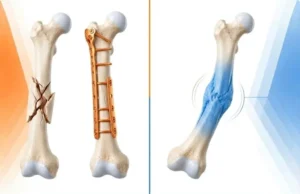
Bone Fracture Treatment: Types, Healing Process & Recovery
A broken bone can sometimes feel like a sprain, with bearable pain, swelling, and limited…
Read Article →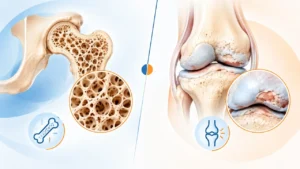
Osteoporosis vs Osteoarthritis: How to Tell the Difference
Osteoporosis and osteoarthritis are often confused with each other. Both carry “osteo” in the name,…
Read Article → WhatsApp