Home / Procedures / Orthopaedic Oncology Treatment in Gurgaon

Orthopaedic Oncology Treatment in Gurgaon
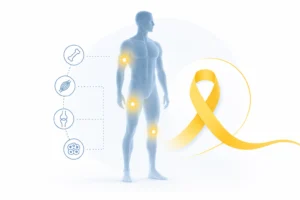
Orthopaedic Oncology is a highly specialized field that deals with the diagnosis and treatment of bone and soft tissue tumors. These may include benign (non-cancerous) tumors, malignant (cancerous) tumors, and metastatic bone diseases. Since these conditions can affect bone strength, mobility, and overall health, early diagnosis and expert care are crucial for effective outcomes.

Causes & Risk Factors of Bone Tumors

Bone tumors may arise due to various reasons, including:

  • Genetic Factors – Family history of certain cancers.

  • Previous Radiation Therapy – Increases risk of bone malignancies.

  • Paget’s Disease of Bone – Can predispose to bone sarcomas.

  • Metastasis from Other Cancers – Breast, prostate, lung, and kidney cancers commonly spread to bones.

  • Unexplained Causes – Many tumors develop without clear risk factors.

Symptoms of Bone & Soft Tissue Tumors

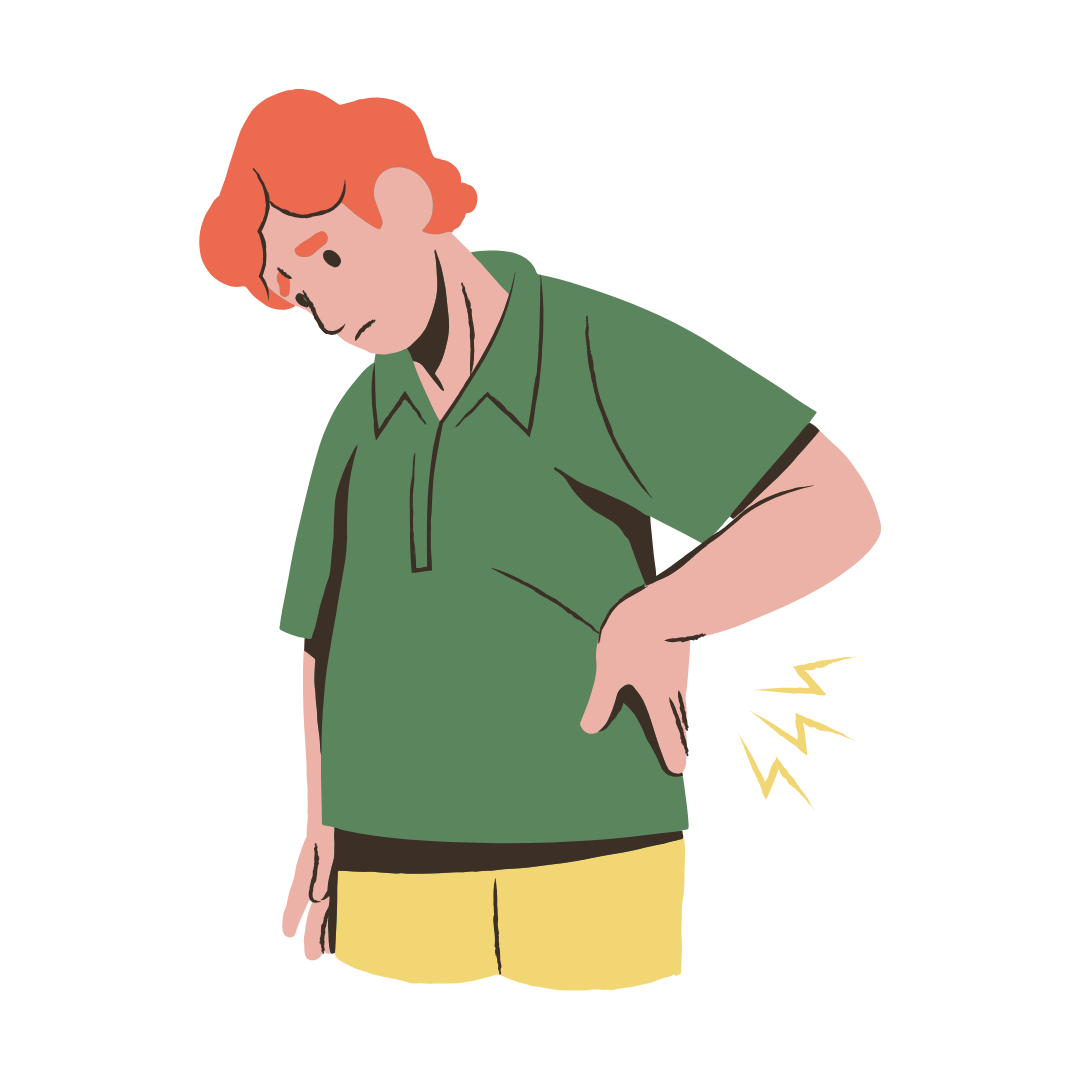
  • Persistent bone pain, often worsening at night.

  • Swelling or lump in bone or soft tissue.

  • Reduced joint movement or stiffness.

  • Pathological fractures (fractures with minimal trauma).

  • Unexplained weight loss, fatigue, or fever in malignant cases.

Diagnosis in Orthopaedic Oncology

A combination of tests is used to confirm diagnosis and plan treatment:

  • Physical Examination – To assess swelling, tenderness, and deformity.

  • X-rays & MRI/CT Scans – Detailed imaging to determine tumor size, extent, and spread.

  • Bone Scan / PET-CT – To detect metastasis or multiple tumor sites.

  • Biopsy – Essential for confirming tumor type (benign vs malignant).

Treatment Options in Orthopaedic Oncology

Treatment depends on tumor type, stage, and location. Modern orthopaedic oncology focuses on limb-sparing surgeries rather than amputations.

  • Surgical Resection – Removal of tumor with clear margins.

  • Limb Salvage Surgery – Advanced reconstruction using prosthetics or bone grafts.

  • Chemotherapy & Radiotherapy – For malignant or metastatic tumors.

  • Minimally Invasive Techniques – For selected benign tumors.

  • Reconstruction Surgery – Restores function and stability after tumor removal.

Recovery & Rehabilitation

  • Hospital stay varies depending on surgery type and complexity.

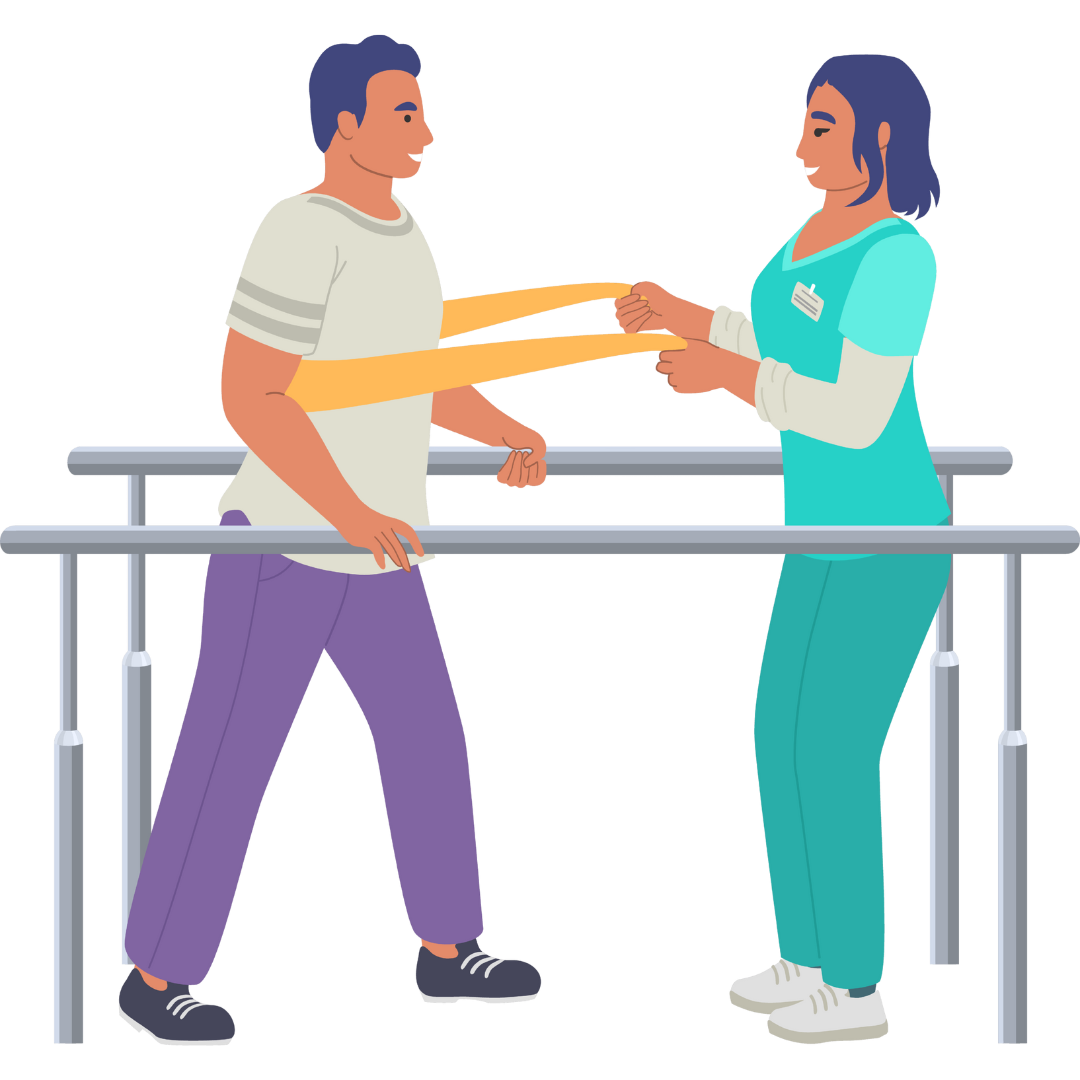
  • Physiotherapy starts early to regain mobility and strength.

  • Recovery duration depends on tumor type, surgery, and overall health.

  • Regular follow-ups and imaging are essential to detect recurrence or complications.

Results of Orthopaedic Oncology Treatments

  • High success rates in limb preservation and functional recovery.

  • Effective pain relief and improved mobility after surgery.

  • Advanced oncology care ensures long-term survival and better quality of life in many cases.

  • Early diagnosis and comprehensive treatment significantly improve outcomes.

WhatsApp logo WhatsApp