
Osteoporosis Treatment: Medicines, Diet, Exercise & Prevention
It usually starts quietly. A slight stoop in the shoulders that wasn’t there a few years ago. A wrist that snapped after what felt like a minor fall. A back that aches for no clear reason. Most people brush these things off – ageing, they say, or too much sitting. But for millions of Indians, these are the first hints of osteoporosis: a condition that has been silently hollowing out their bones for years.
Book a Consultation with Dr. Ramkinkar Jha, Leading Orthopaedic Surgeon in Gurgaon
What Is Osteoporosis? (Haddi Kamzor Hona in Hindi)
Osteoporosis – जिसे हिंदी में haddi kamzor hona या हड्डियों का भुरभुरा होना कहते हैं – is a condition where bones lose their density and become porous, brittle, and prone to fractures.
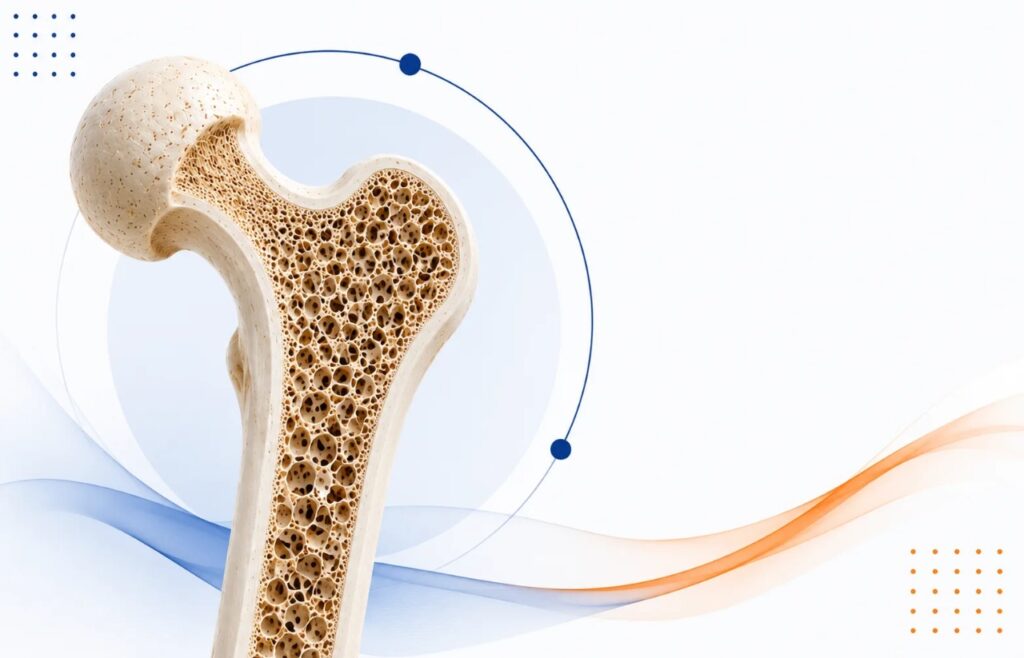
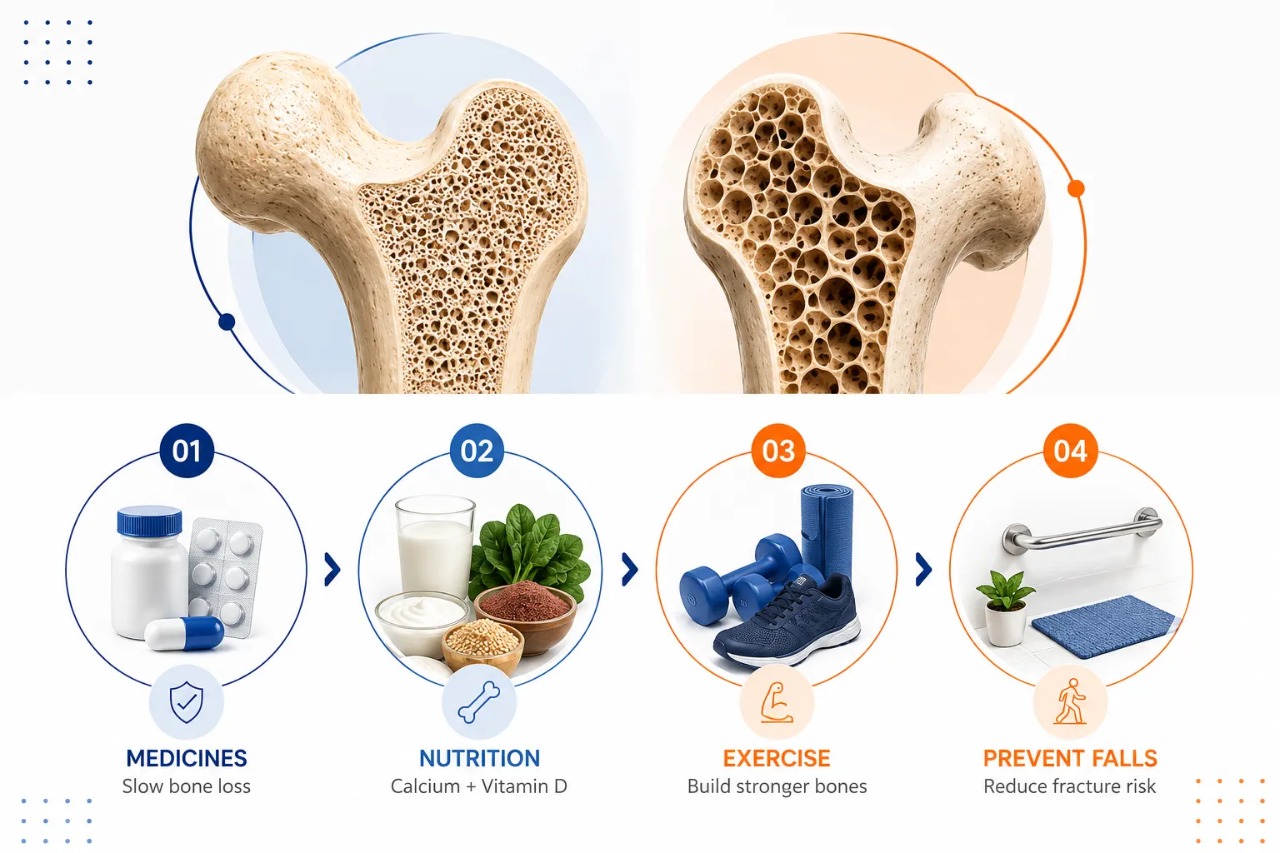
Think of healthy bone as a dense honeycomb structure. In osteoporosis, the holes in that honeycomb grow larger and the walls thinner, until the bone can no longer withstand everyday stress. A simple sneeze, a minor bump, or stepping off a kerb can cause a fracture in someone with severe osteoporosis.
Calcium ki kami (calcium deficiency) and low vitamin D are among the most common contributors, but they’re not the only ones. Understanding the full picture is the first step toward effective osteoporosis treatment.
Osteoporosis Symptoms: What Your Body Is Trying to Tell You?
Here’s the hard truth about osteoporosis symptoms: most people have none. At all. Until a bone breaks.
That’s what makes this condition so dangerous – and so underdiagnosed, especially in India. By the time symptoms appear, bone loss is often already significant.
When osteoporosis does make itself known, watch for:
- Back pain – often caused by a fractured or collapsed vertebra in the spine; it may come on suddenly or build gradually
- Loss of height over time – vertebrae compressing due to small fractures can cause you to shrink by an inch or more
- A stooped posture – sometimes called a “dowager’s hump,” caused by compression fractures in the upper spine
- Fractures that happen too easily – a fracture from a fall that should not have caused one, or even from bending or coughing
- Bone pain or tenderness – though this is less common and often points to a fracture already having occurred
If you’re over 50, postmenopausal, or have risk factors for osteoporosis, don’t wait for symptoms. Get tested. The absence of pain is not the absence of disease.
What Causes Osteoporosis?
Osteoporosis causes are a mix of things you can control and things you can’t. Understanding them helps you know where to focus your efforts.
- Age – bone density naturally declines from your mid-30s onward; the older you are, the greater the risk
- Menopause – the drop in oestrogen after menopause dramatically accelerates bone loss; this is why postmenopausal women are at the highest risk
- Calcium and Vitamin D deficiency – without adequate calcium and vitamin D, the body cannot maintain bone mineral density
- Sedentary lifestyle – bones need mechanical load to stay strong; inactivity leads to faster bone loss
- Genetics and family history – if a parent had osteoporosis or a hip fracture, your risk is significantly higher
- Certain medications – long-term use of corticosteroids (steroids), some anti-seizure drugs, and proton pump inhibitors can accelerate bone loss
- Smoking and alcohol – both interfere with bone formation and calcium absorption
- Low body weight – being underweight means less mechanical load on bones and lower oestrogen levels in women
- Medical conditions – rheumatoid arthritis, thyroid disorders, and some gastrointestinal conditions can contribute
In India, the combination of low dietary calcium, widespread vitamin D deficiency (despite abundant sunlight), and a cultural tendency to dismiss bone pain as “normal ageing” makes osteoporosis particularly underdiagnosed.
How Is Osteoporosis Diagnosed?
The standard test is a DEXA scan (Dual-Energy X-ray Absorptiometry) – a low-radiation imaging scan that measures bone mineral density, usually at the hip and spine. It’s painless, takes about 10-20 minutes, and is the gold standard for diagnosing osteoporosis.
The result is expressed as a T-score, which compares your bone density to that of a healthy young adult at peak bone mass:
| T-Score | What It Means |
| -1.0 or above | Normal bone density |
| Between -1.0 and -2.5 | Osteopenia (low bone density – a warning sign) |
| -2.5 or below | Osteoporosis |
A T-score of -2.7, for example, means osteoporosis is confirmed. A score of -1.8 means your bones are thinning but haven’t crossed the threshold yet – which is actually the ideal time to intervene.
Dr. Ramkinkar Jha may also order blood tests to check calcium levels, vitamin D, thyroid function, and other markers that help identify underlying causes.
Osteoporosis Treatment: What Actually Works?
Effective osteoporosis treatment is never just one thing. It’s a combination – medicines to slow bone loss or build new bone, diet to provide the raw materials, exercise to stimulate bone formation, and lifestyle changes to reduce fracture risk. Here’s how each piece fits together.
Medicines for Osteoporosis (Bone Density Treatment)
Medication is the cornerstone of bone density treatment for people who already have osteoporosis or are at high risk of fracture. Doctors in India have access to the full range of evidence-based options.
Bisphosphonates are the most commonly prescribed first-line drugs. They work by slowing the breakdown of old bone, allowing the body to maintain or increase density. Common options include:
- Alendronate (Fosamax) – taken weekly as a tablet
- Risedronate – also weekly or monthly
- Ibandronate – monthly tablet or quarterly injection
- Zoledronic acid – given as a once-yearly intravenous infusion; a popular choice for patients who struggle with weekly tablets
- Denosumab
- Calcium and Vitamin D supplements
- Hormone therapy
- Teriparatide and Romosozumab
When it comes to osteoporosis medicine in India, all the major drug classes – bisphosphonates, denosumab, calcium-vitamin D combinations – are widely available, including affordable generic versions of alendronate and risedronate.
Important: Never self-medicate for osteoporosis. The right medicine depends on your T-score, fracture history, kidney function, and other health factors. Always consult a specialist.
Osteoporosis Diet: Foods That Strengthen Your Bones
What you eat every day is either building your bones or failing them. A good osteoporosis diet isn’t complicated, but it does require consistency.
Calcium-rich foods to include:
- Dahi (curd/yoghurt) – one of the best and most bioavailable sources of calcium; a bowl a day makes a real difference
- Paneer – excellent calcium source and easy to incorporate into Indian cooking
- Ragi (finger millet) – one of the highest plant-based sources of calcium; far better than wheat or rice
- Til (sesame seeds) – a tablespoon of til contains more calcium than a glass of milk; add to rotis, chutneys, or salads
- Green leafy vegetables – palak, methi, and amaranth (chaulai) all contribute calcium, though the body absorbs it less efficiently than from dairy
- Milk and milk products – fortified milk, cheese, and buttermilk are reliable daily sources
Vitamin D sources:
- Sunlight – 15–20 minutes of direct sun exposure on arms and legs, ideally before 10 AM or after 4 PM to avoid peak UV, at least 3–4 times a week
- Eggs – the yolk contains vitamin D; 1–2 eggs a day is a practical addition
- Fatty fish – salmon, mackerel, and sardines are excellent sources for those who eat non-vegetarian food
Foods to limit or avoid:
- Excess salt – high sodium causes the kidneys to excrete more calcium
- Excess caffeine – more than 3 cups of tea or coffee a day can interfere with calcium absorption
- Alcohol – impairs bone formation and increases fall risk
- Carbonated soft drinks – the phosphoric acid in colas can reduce calcium absorption over time
Osteoporosis Exercise: Move to Build Bone
Exercise is one of the most powerful – and most underused – tools in osteoporosis treatment. Bones respond to mechanical load: when you stress them through movement, they adapt by becoming denser and stronger.
Weight-bearing exercises (where your feet and legs support your body weight) are the most effective for building bone:
- Brisk walking – 30 minutes, 5 days a week is a solid starting point
- Jogging or dancing – higher impact means more bone stimulus, if your joints allow
- Stair climbing – simple and effective
Strength training (resistance exercises) builds both bone and the muscle that protects it:
- Bodyweight exercises: squats, lunges, wall push-ups
- Light dumbbell or resistance band exercises targeting the hips, spine, and wrists – the most fracture-prone areas
- Aim for 2–3 sessions per week
Balance and coordination exercises reduce fall risk – which is ultimately what fracture prevention is about:
- Yoga – poses like Tadasana (Mountain Pose), Vrikshasana (Tree Pose), and gentle Surya Namaskar improve balance, posture, and core strength; widely recommended for osteoporosis in India
- Tai chi
- Single-leg standing exercises
What to avoid if you already have osteoporosis:
- High-impact activities like running on hard surfaces or jumping (unless cleared by your doctor)
- Exercises that involve bending forward at the waist (forward flexion) – these put dangerous load on the vertebrae
- Any exercise that carries a high fall risk
Always get your exercise plan reviewed by your doctor or physiotherapist before starting, especially if you’ve already had a fracture.
Bone Density Treatment Beyond Medication
Medication and diet do the heavy lifting, but bone density treatment also involves practical changes that reduce your risk of falling – because a fall is what turns osteoporosis into a fracture.
Home safety modifications:
- Remove loose rugs and clutter from walkways
- Install grab bars in the bathroom, especially near the toilet and shower
- Ensure adequate lighting in all rooms, especially at night
- Use non-slip mats in the bathroom
- Keep frequently used items at waist height to avoid reaching or bending
General lifestyle changes:
- Quit smoking – it directly impairs bone formation and reduces oestrogen levels
- Limit alcohol to no more than one drink a day
- Get your vision checked regularly – poor eyesight increases fall risk
- Review all medications with your doctor, as some (sedatives, blood pressure drugs) can cause dizziness and increase fall risk
Struggling with Joint Pain, Sports Injury, or Arthritis?
Osteoporosis Prevention: Can You Stop It Before It Starts?
The best time to prevent osteoporosis is decades before you’d ever need to treat it. Bone mass peaks in your late 20s – what you build before then, you spend for the rest of your life.
For younger adults and children:
- Prioritise calcium-rich foods from childhood – dahi, milk, ragi, til
- Get regular outdoor physical activity; weight-bearing play in childhood builds peak bone mass
- Avoid smoking and excessive alcohol from a young age
For adults in their 30s and 40s:
- Don’t let sedentary desk work become your entire lifestyle; walk, lift, move
- Get vitamin D levels checked – deficiency is extremely common in urban India even among young adults
- If you’re on long-term steroids or other bone-affecting medications, ask your doctor about monitoring bone density
For women approaching menopause:
- Discuss bone health proactively with your gynaecologist or orthopaedic specialist
- Consider a baseline DEXA scan at menopause or age 50, whichever comes first
- Increase calcium and vitamin D intake before bone loss accelerates
Osteoporosis prevention is not a single intervention – it’s a lifelong habit of feeding, moving, and protecting your skeleton.
Osteoporosis in India: A Growing Concern
The numbers are striking. An estimated 61 million Indians are believed to have osteoporosis, and around 80% of them are women. Studies show that approximately 33% of postmenopausal Indian women have osteoporosis, with some regional studies reporting rates as high as 37-40%.
Yet the condition remains dramatically underdiagnosed. Why?
- Cultural normalisation of bone pain – “haddi dard karna” is often dismissed as a natural part of ageing
- Low awareness of DEXA scans – many patients and even some general practitioners don’t think to test until after a fracture
- Dietary gaps – despite a largely vegetarian diet, calcium ki kami is widespread because many people don’t consume enough dairy, ragi, or sesame
- Vitamin D paradox – India has abundant sunlight, yet vitamin D deficiency is endemic in urban populations due to indoor lifestyles, clothing, and sunscreen use
- Urban lifestyle factors – desk jobs, reduced physical activity, and processed food consumption all accelerate bone loss
Indian women also tend to reach menopause slightly earlier than their Western counterparts, meaning the window of accelerated bone loss begins sooner. This makes early screening and osteoporosis prevention even more critical.
When Should You See an Orthopaedic Doctor in Gurgaon?
Don’t wait for a fracture. These are the signs it’s time to get a proper evaluation:
- You’re a woman over 50 or postmenopausal – a baseline DEXA scan is recommended
- You’re a man over 70 – men are affected too, though less commonly
- You’ve had a fracture from a minor fall or impact – this is a red flag for existing osteoporosis
- You’re losing height or developing a stoop – may indicate vertebral compression fractures
- You have chronic back pain with no clear cause
- You’re on long-term steroids, anti-seizure medications, or other bone-affecting drugs
- You have a family history of osteoporosis or hip fracture
- Your blood tests show low vitamin D or calcium levels
For patients in Gurgaon and Delhi NCR, Dr. Ramkinkar Jha, Director of the Department of Orthopaedics at CK Birla Hospital, Gurugram, is an experienced orthopaedic surgeon who manages bone health conditions including osteoporosis-related fractures and complex joint care.
If you’re looking for an osteoporosis doctor in Gurgaon or a bone specialist in Gurgaon for a DEXA scan review, fracture risk assessment, or a second opinion on your treatment plan, a consultation with a specialist can make a significant difference to your long-term bone health.

 WhatsApp